

Media Monitoring in 2026: Comprehensive Guide to Tools, AI Innovations, and PR Measurement
In the rapidly evolving landscape of media monitoring, staying ahead of trends and technologies is crucial for businesses and PR professionals. This comprehensive guide explores the latest tools, AI innovations, and effective measurement strategies that will shape media monitoring in 2026. Readers will gain insights into the top media monitoring platforms, the impact of AI on media intelligence, and strategies for managing brand reputation effectively. As organizsations face increasing challenges in understanding public sentiment and media narratives, this guide offers solutions to enhance media insights and crisis detection. We will delve into the top tools available, the role of AI in transforming media monitoring, and the emerging trends that will define the future of PR measurement.
What Are the Top Media Monitoring Tools and Platforms in 2026?
Media monitoring tools are essential for tracking brand mentions, analyzing sentiment, and understanding audience engagement across various platforms. In 2026, several tools stand out for their advanced features and user-friendly interfaces.
Which Social Media Listening Platforms Lead the Market?
The market for social media listening platforms is competitive, with several key players offering unique features. The top platforms include:
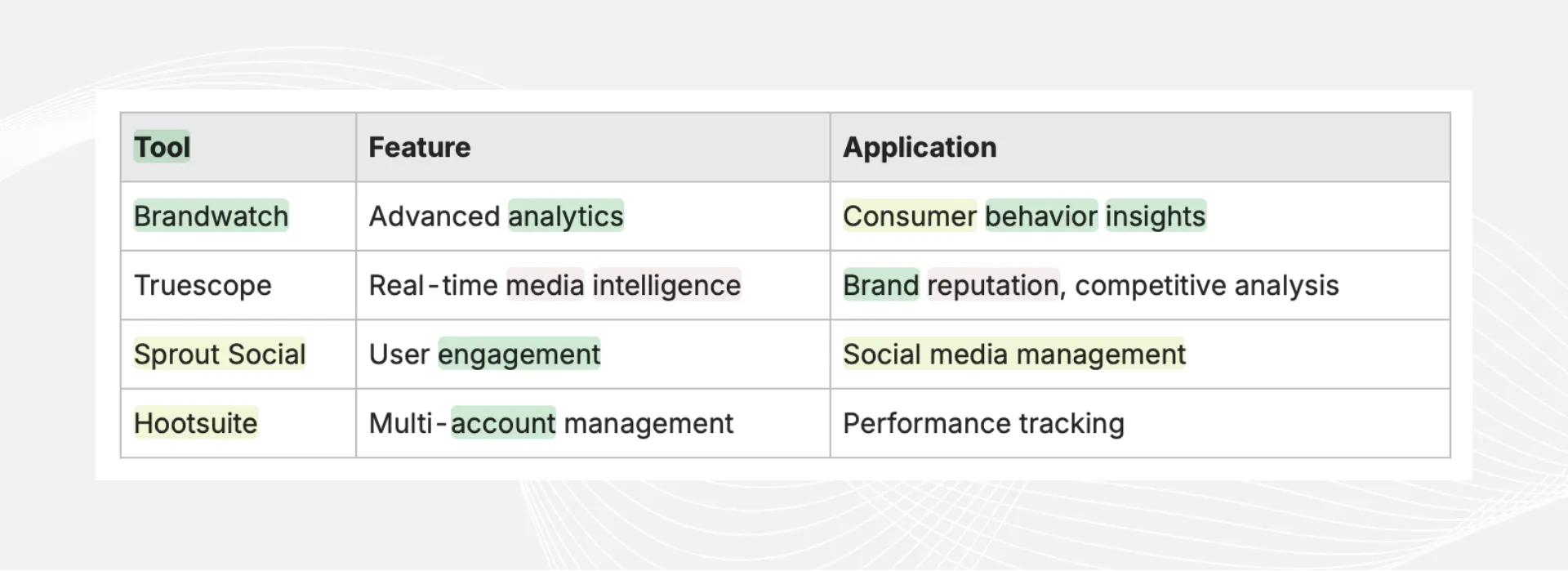
- Brandwatch: Known for its powerful analytics and extensive data coverage, Brandwatch provides insights into consumer behavior and sentiment analysis.
- Truescope: Offers real-time media intelligence and comprehensive coverage across traditional and digital media, aiding in brand reputation and competitive analysis.
- Sprout Social: This platform excels in user engagement and reporting, making it a favorite among social media managers.
- Hootsuite: With its comprehensive dashboard, Hootsuite allows users to manage multiple social media accounts and track performance metrics effectively.
These platforms not only help brands monitor their online presence but also provide actionable insights to improve engagement strategies.
How to Choose the Right Media Intelligence Platform for Your Needs?
Selecting the right media intelligence platform involves considering several factors:
- Features: Look for tools that offer comprehensive analytics, sentiment analysis, and real-time monitoring.
- User Experience: A user-friendly interface can significantly enhance the efficiency of your media monitoring efforts.
- Integration Capabilities: Ensure the platform can integrate with other tools you use, such as CRM systems or marketing automation software.
By evaluating these criteria, businesses can choose a media intelligence platform that aligns with their specific needs and objectives.
How Is AI Revolutionizing Media Monitoring in 2026?
Artificial Intelligence (AI) is transforming media monitoring by enhancing data analysis and providing deeper insights into audience behavior. In 2026, AI technologies are expected to play a pivotal role in shaping media intelligence.
Further research highlights the comprehensive impact of AI in transforming raw media data into actionable insights across various domains.
AI-Driven Media Intelligence & Social Media Analysis
Media intelligence, as a rapidly evolving interdisciplinary field, leverages the convergence of artificial intelligence (AI), computer science, and information technology (IT) to transform raw media into actionable insights. This paper explores the state-of-the-art in AI-driven media intelligence, focusing on its theoretical foundations, technological architectures, practical applications, and emerging ethical challenges. Using a systematic literature review and thematic synthesis approach, the study examines key innovations in natural language processing, computer vision, multimodal learning, and predictive analytics. It also analyzes the integration of AI in domains such as journalism, public health, social media analysis, and content moderation. MEDIA INTELLIGENCE: AI-DRIVEN INNOVATIONS AT THE CROSSROADS OF COMPUTER SCIENCE AND INFORMATION TECHNOLOGY, A Ghaffar, 2025
What Are the Key AI Technologies Used in Media Monitoring?
Several AI technologies are at the forefront of media monitoring advancements:
- Natural Language Processing (NLP): NLP enables machines to understand and interpret human language, allowing for more accurate sentiment analysis and content categorization.
- Machine Learning: This technology helps in predicting trends and identifying patterns in media data, enhancing the ability to respond to crises proactively.
- Predictive Analytics: By analyzing historical data, predictive analytics can forecast future media trends and potential crises, enabling brands to prepare effectively.
These technologies collectively enhance the efficiency and accuracy of media monitoring processes.
Specifically, AI-powered sentiment analysis is proving invaluable for optimizing digital marketing strategies and understanding customer feedback.
AI Sentiment Analysis for Digital Marketing & Customer Feedback This systematic review critically examines the evolving role of AI-powered sentiment analysis in optimizing digital marketing strategies, with a specific focus on its application within customer feedback loops in IT service environments. In the era of data-driven marketing, the ability to decode consumer emotions from unstructured textual sources—such as social media, product reviews, helpdesk transcripts, and chat logs—has become increasingly valuable for enhancing personalization, engagement, and service responsiveness. AI-Powered Sentiment Analysis In Digital Marketing: A Review Of Customer Feedback Loops In It Services, R Paul, 2023
How Does Predictive Analytics Enhance Media Insights and Crisis Detection?
Predictive analytics significantly improves media insights by allowing organizations to anticipate potential issues before they escalate. For instance, by analyzing past media coverage and audience reactions, brands can identify emerging trends and adjust their strategies accordingly. This proactive approach not only aids in crisis detection but also helps in crafting timely responses that resonate with the audience.
Incorporating AI-driven tools into media monitoring strategies can streamline these processes, making it easier for brands to stay ahead of potential challenges.
What Are Effective Brand Reputation Management Strategies in 2026?
Brand reputation management is critical in today's digital landscape, where public perception can change rapidly. In 2026, effective strategies will focus on leveraging technology and real-time data to protect and enhance brand reputation.
How Does AI-Powered Sentiment and Authenticity Analysis Protect Brands?
AI-powered sentiment analysis tools can assess public sentiment towards a brand by analyzing social media posts, reviews, and news articles. This technology helps brands understand how they are perceived and identify areas for improvement. Additionally, authenticity analysis helps brands detect inauthentic or bot-generated content, fostering trust and loyalty among consumers.
By utilizing these tools, brands can proactively manage their reputation and respond to negative sentiment before it escalates.
Indeed, studies confirm the significant potential of AI-powered sentiment analysis in providing quantifiable insights for effective brand reputation management.
AI Sentiment Analysis for Brand Reputation & Digital Marketing
The results of this study underscore the transformative potential of AI-powered sentiment analysis in providing quantifiable, actionable insights for digital marketing and brand reputation management. Quantifying the Impact: Leveraging AI-Powered Sentiment Analysis for Strategic Digital Marketing and Enhanced Brand Reputation Management, R Haider, 2025
What Role Does Real-Time Crisis Communication Play in Reputation Management?
Real-time crisis communication is essential for managing brand reputation during adverse events. Effective strategies include:
- Immediate Response: Addressing issues as they arise can prevent misinformation from spreading.
- Transparent Communication: Being open about challenges and the steps being taken to resolve them builds trust with the audience.
- Monitoring Feedback: Continuously tracking public sentiment allows brands to adjust their messaging and strategies in real-time.
These practices ensure that brands can maintain a positive reputation even in challenging situations.
How Is PR Measurement Evolving with Media Monitoring in 2026?
The evolution of PR measurement is closely tied to advancements in media monitoring technologies. In 2026, organizations will increasingly rely on data-driven strategies to assess the impact of their PR efforts.
What Metrics Demonstrate PR Impact and ROI Effectively?
To measure PR impact effectively, organizations should focus on key metrics such as:
- Media Reach: The total audience exposed to media coverage.
- Engagement Rates: The level of interaction with content, including likes, shares, and comments.
- Sentiment Analysis: Understanding public sentiment towards the brand based on media coverage.
These metrics provide valuable insights into the effectiveness of PR campaigns and help demonstrate ROI.
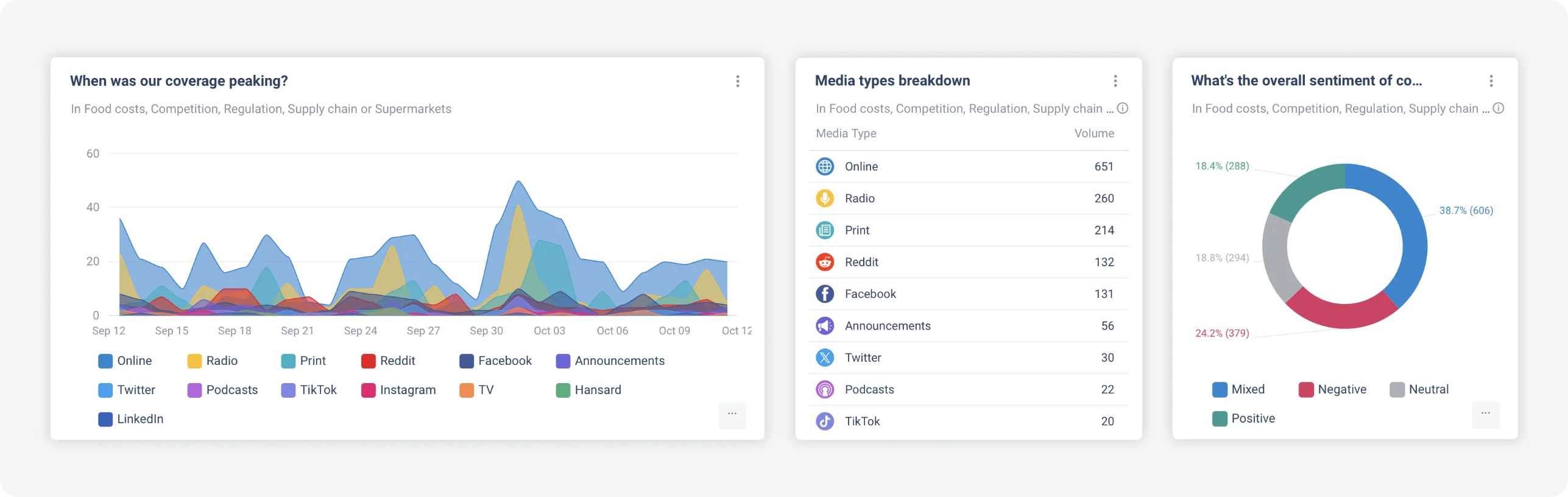
How Do Media Monitoring Tools Support Data-Driven PR Strategies?
Media monitoring tools play a crucial role in supporting data-driven PR strategies by providing real-time insights into media coverage and audience engagement. By analyzing this data, PR professionals can refine their strategies, target specific audiences, and measure the success of their campaigns more accurately. This approach not only enhances the effectiveness of PR efforts but also ensures that organizations can adapt to changing media landscapes.
What Are Emerging Trends and Challenges in Media Monitoring for 2026?
As media monitoring continues to evolve, several trends and challenges are emerging that will shape the industry in 2026.
How Is Generative AI Changing Information Discovery and Brand Reputation?
Generative AI is revolutionizing information discovery by enabling more sophisticated content creation and analysis. This technology can generate insights from vast amounts of data, helping brands identify trends and consumer preferences more effectively. However, the challenge lies in ensuring that the generated content is accurate and aligns with brand values, as misinformation can quickly damage reputation.
What Ethical and Privacy Considerations Affect Media Monitoring Practices?
As media monitoring becomes more data-driven, ethical and privacy considerations are paramount. Organizations must navigate regulations regarding data collection and ensure that they respect consumer privacy. Implementing transparent practices and obtaining consent for data usage will be essential in maintaining trust with audiences while leveraging media monitoring tools.
Media monitoring in 2026 will be characterized by the integration of advanced technologies and a focus on ethical practices. By understanding these trends and challenges, organizations can better prepare for the future of media monitoring and reputation management.
See how you can get more signals and insights from your media intelligence platform




See how you can get more signals and insights from your media intelligence platform